Nevada 3D Layered Laser Cut File: A Comprehensive Guide for CNC Projects
Creating intricate and professional-looking designs using laser cutting technology has never been easier, especially with the availability of detailed Nevada 3D layered laser cut files. These files are specifically designed for use in CNC (Computer Numerical Control) projects involving plywood or other types of wood. Whether you're a hobbyist looking to craft personalized decor or an entrepreneur planning to launch a line of wooden products, understanding how to work with these files is essential.
What Is a Nevada 3D Layered Laser Cut File?
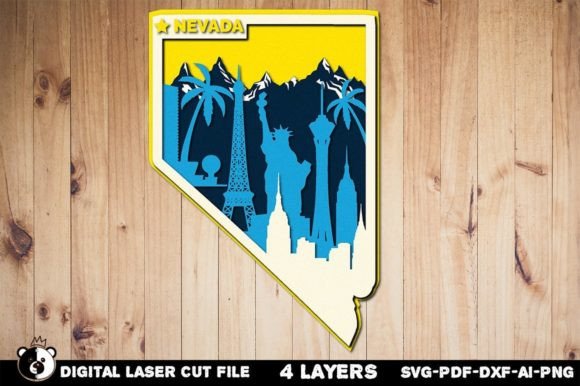
A Nevada 3D layered laser cut file is a digital design composed of multiple layers that represent different parts of a three-dimensional structure. When used with a laser cutter, each layer can be precisely cut from materials like 3mm plywood, allowing for the assembly of complex shapes without the need for advanced woodworking skills. The file typically includes vector drawings, which ensure clean and accurate cuts every time.
These files are archived and ready to download, making them ideal for users who want to customize their own project layouts. Once downloaded, they can be modified in design software to suit individual preferences before being sent to the laser cutter. After cutting, the pieces can be painted, stained, or decorated to enhance the final product's visual appeal.
Why Choose This Type of Project?
- Cost-effective: Working with layered laser cut files eliminates the need for expensive molds or tools, significantly reducing production costs.
- Easy to assemble: The precision of the laser ensures that all components fit together seamlessly, even for beginners.
- High-quality results: The clean lines and accuracy of laser-cut pieces result in a polished finish that looks professionally made.
- Ideal for mass production: Once the design is finalized, it can be replicated quickly and efficiently, perfect for businesses or creators producing multiple units.
1. Using the Wrong Material Thickness
One of the most common mistakes when working with Nevada 3D layered laser cut files is not using the recommended material thickness. While the design may look great on paper, if you use a different thickness than specified—say, 4mm instead of 3mm—the final product may not align properly during assembly.
Better approach: Always confirm the material thickness before starting your project. If you must use a different thickness, adjust the design layout in your vector editing software to maintain correct spacing between layers. This small correction can save hours of frustration and rework later.
2. Overlooking the Need for Ventilation Holes
In some 3D structures, especially those with enclosed spaces or tight joints, ventilation holes are crucial. Many users assume the design already includes them, but this isn’t always the case. Without proper airflow, moisture can accumulate inside the assembled pieces, leading to warping or damage over time.
Solution: Review the cutting plan thoroughly. If no ventilation holes are present, consider adding them manually in your design software. For example, when creating a box-style sculpture or lamp base, drilling a few small holes at the bottom can prevent internal condensation.
3. Ignoring Software Compatibility
Laser cutters require specific file formats such as SVG, DXF, or PDF. Some users download a Nevada 3D layered laser cut file only to find out later that their software doesn't support the format, leading to delays or errors in the cutting process.
How to avoid it: Before downloading any file, verify its compatibility with your CNC or laser cutting software. Most providers will list supported formats clearly. If unsure, contact the designer or supplier for clarification. You can also convert files using free online tools, but make sure to maintain the integrity of the vectors during conversion.
4. Not Testing the Design on a Small Scale First
It’s tempting to jump straight into a full-scale project, especially when the design seems straightforward. However, skipping the test phase can lead to misaligned pieces or unexpected structural weaknesses.
Realistic example: Imagine assembling a decorative wall panel only to realize the tabs connecting the pieces are too short. A quick test run on smaller material scraps would have revealed this issue before investing in larger sheets.
Recommendation: Always do a trial run with a scaled-down version or using leftover material. This allows you to spot potential issues with alignment, fit, or strength early on and make necessary adjustments before proceeding with the actual build.
5. Underestimating the Importance of Proper Layout Planning
Modifying the design layout might seem simple, but improper planning can lead to inefficient use of material, higher waste, and increased costs. For instance, placing pieces too close together can cause heat distortion during laser cutting, while leaving too much space reduces material efficiency.
Best practice: Use nesting software or arrange the layers carefully in your design program to maximize sheet usage. Think about the order in which you'll assemble the parts after cutting—grouping similar components together can streamline the process and reduce confusion.
Choosing the Right File for Your Project
Selecting the right Nevada 3D layered laser cut file involves more than just picking an attractive design. Consider the following factors to ensure the best outcome:
- Material type: Confirm whether the file is optimized for plywood or another type of wood. Plywood is often preferred due to its flatness and consistency.
- Layer complexity: Simpler layer counts are better for beginners. More advanced builders can handle multi-layered projects with greater detail.
- Assembly instructions: Look for files that include clear diagrams or written steps. Good documentation can greatly reduce the learning curve.
- Design flexibility: Ensure the file allows for easy modification so you can personalize it or adapt it to your machine’s capabilities.
Optimizing the Cutting Process
To get the most out of your Nevada 3D layered laser cut file, follow these practical tips during the preparation and cutting phases:
- Use high-quality plywood with smooth surfaces to minimize charring and burning during laser cutting.
- Adjust laser settings based on your material type and thickness. A lower power setting works well for thin plywood to avoid burning through the layers.
- Ensure your laser cutter is properly calibrated. Even minor inaccuracies can affect the final assembly.
- Label each layer clearly after cutting. This helps prevent mix-ups during the assembly stage, especially with multi-part projects.
After-Cutting Customization Options
Once your parts are cut, the fun begins. Here are several ways to elevate your project:
- Painting: Apply acrylic paints or wood stains in any color scheme you prefer. This is a great way to match your home décor or brand identity.
- Adding decorations: Incorporate metallic leaf, stickers, or LED lights for a unique touch. For instance, a layered laser-cut shadowbox could become a stunning light fixture with the addition of glass and LEDs.
- Varnishing or sealing: Protect the finished piece with a clear varnish or sealant to enhance durability and give it a professional sheen.
When to Seek Help or Additional Resources
If you’re new to laser cutting or CNC projects, don’t hesitate to seek guidance. Online forums, YouTube tutorials, and local maker spaces are excellent resources for troubleshooting and learning best practices. Additionally, many designers offer customer support or community access where you can ask questions and share experiences.
For example, if you're struggling with the assembly of a complex model, reaching out to someone who has completed the same project can provide insights you wouldn’t get from a manual alone. Collaboration and knowledge-sharing are powerful tools in the world of DIY and custom manufacturing.
Final Tips for Success
To ensure your Nevada 3D layered laser cut file project goes smoothly, keep these final recommendations in mind:
- Always double-check the file dimensions against your laser cutter’s maximum size to avoid scaling issues.
- Store your files in an organized folder system for easy retrieval and future modifications.
- Consider purchasing a bundle of files if you plan to create variations of the same theme, such as different-colored versions of a decorative sign.
- Share your completed project online to inspire others and receive valuable feedback for future builds.
With the right mindset and attention to detail, anyone can turn a downloadable Nevada 3D layered laser cut file into a beautiful, functional masterpiece. Whether you're crafting for personal enjoyment or commercial use, taking the time to understand the nuances of laser cutting and CNC design will pay off in both quality and satisfaction.