3D Layered SVG and Flip Flop Zone Laser Cut Projects: Creative Possibilities for Home Decor
In the world of modern crafting and design, laser cutting has opened up new avenues for creativity and precision. One exciting area that’s gaining popularity is the use of 3D layered SVG files in combination with tools like Flip Flop Zone, allowing makers to create stunning three-dimensional home decor items. Whether you're using a Glowforge, traditional laser cutter, CNC router, or even a Cricut machine, these materials offer an accessible way to bring artistic vision to life.
What Are 3D Layered SVG Files?
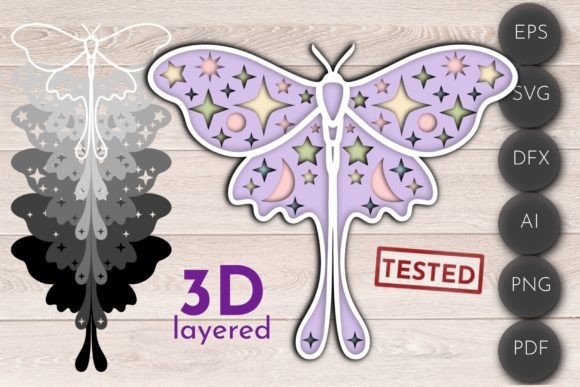
SVG (Scalable Vector Graphics) files are digital images that can be scaled without losing quality. When they’re designed as 3D layered SVGs, they contain multiple vector layers that, when cut and assembled, form a three-dimensional object. This format is ideal for intricate designs and allows for customization in terms of size, color, and layout.
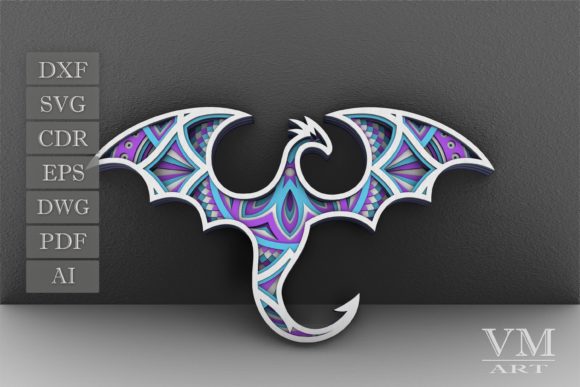
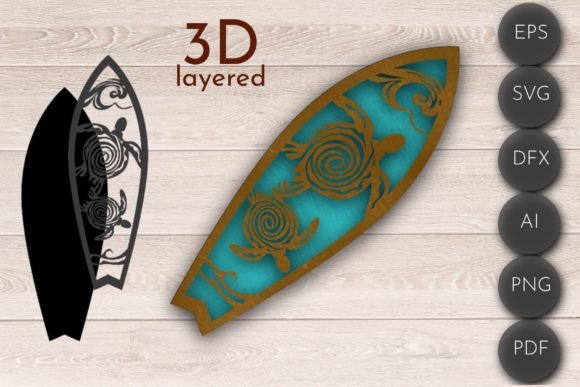
Each layer typically represents a different part of the final piece — such as base, middle, or top sections — and is crafted to interlock or stack seamlessly. These files are often used for wall art, shadow boxes, lampshades, and more, offering a tactile dimension beyond flat prints or paper crafts.
Understanding Flip Flop Zone
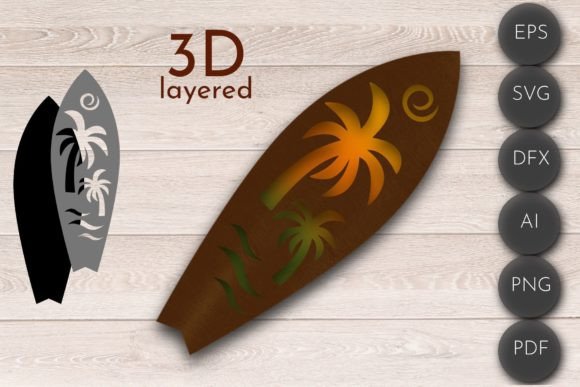
The term “Flip Flop Zone” might sound playful, but it refers to a specific style or theme of laser-cut projects that feature bold, colorful, and often tropical or beach-inspired motifs. The name comes from the casual and fun aesthetic reminiscent of flip-flop culture — think palm trees, waves, sunbursts, and geometric shapes inspired by summer vibes.
These designs are not only visually appealing but also easy to assemble, making them perfect for beginners and experienced crafters alike. They often come with pre-designed templates that include instructions on how to arrange each layer to achieve the desired depth and visual effect.
How to Use Laser Cut Files for Your Projects
Laser cut files are compatible with a wide range of machines, including Glowforge, standard CNC routers, and Cricut devices. Here’s what you need to know about getting started:
- Outline Layered Files: These include AI, SVG, DXF, PDF, PNG, and EPS formats and allow you to customize the material thickness, color, and finish before cutting.
- Filled Layered Files: Also available in AI and PNG formats, these are pre-colored and ready for assembly, making them ideal if you want to focus more on building than painting.
Once you’ve selected your file type, upload it to your machine's software and adjust the settings according to the material you’re using. Common choices include wood, acrylic, MDF, and even cardstock for lighter applications. After cutting, simply stack and glue the pieces together to reveal the full 3D design.
Applications and Uses for 3D Laser Cut Decor
The beauty of 3D layered SVG and Flip Flop Zone laser cut projects lies in their versatility. Here are some popular ways people are using them:
- Wall Art: Create eye-catching murals or standalone panels that add depth and texture to any room. These make excellent conversation starters in living rooms, offices, or entryways.
- Home Accents: From decorative mirrors to custom clock faces, 3D laser cuts can transform everyday objects into personalized works of art.
- Custom Gifts: Assemble unique gift boxes, picture frames, or jewelry organizers that reflect the recipient’s personality or interests.
- Event Decor: Businesses and event planners love using these for themed parties, weddings, and pop-up shops. A Flip Flop Zone design could be the highlight of a tropical-themed celebration.
Real-World Examples
Many creators have taken advantage of 3D layered SVG and Flip Flop Zone kits to produce impressive results. For instance, one DIY enthusiast built a layered ocean wave sculpture for her beach house, using laser-cut wood and acrylic paints to give it a vibrant look. Another user turned a simple Flip Flop Zone template into a set of matching guestroom signs using colored MDF and clear varnish for a modern touch.
Business owners are also using these techniques to develop branded products. A boutique hotel in Florida purchased several Flip Flop Zone kits to create custom lobby displays and signage, all while maintaining a cohesive, stylish brand identity.
Strengths and Considerations
There are many advantages to working with 3D layered SVG and Flip Flop Zone laser cut files:
- Precision: Laser machines ensure clean, accurate cuts, which is essential for complex layered designs.
- Reproducibility: Once you've mastered the technique, you can easily recreate the same project multiple times with consistent results.
- Customization: Most kits include editable layers so you can personalize text, colors, or patterns to suit your space or needs.
However, there are a few things to consider before starting:
- Machine Compatibility: Not all laser cutters or craft machines support every file type. Make sure your device can handle AI, SVG, or DXF files before purchasing a kit.
- Assembly Time: While the cutting process is quick, assembling the layers may take additional time, especially for larger or more detailed projects.
- Material Selection: Choosing the right material affects both the aesthetics and durability of your finished product. Acrylic offers a polished look, while wood provides a warm, natural feel.
Evaluating Suitability for Your Needs
If you're wondering whether 3D layered SVG and Flip Flop Zone laser cut projects are right for you, ask yourself a few key questions:
- Do I enjoy hands-on crafting and value creative expression?
- Am I looking for a way to enhance my home or business with custom-made decor?
- Do I own or have access to a laser cutter, Glowforge, or other compatible machines?
- Would I prefer a mix of artistic freedom and structured guidance in a project?
For those who answered yes, these kits provide an engaging blend of technology and artistry. If you're a professional designer or small business owner, they offer a scalable solution for producing unique, high-quality items that stand out in the market.
Getting Started with Your First Project
Starting with a Flip Flop Zone laser cut kit is straightforward. Begin by selecting a design that appeals to you, then check the included file formats to ensure compatibility with your machine. You’ll likely find an outline layered file in AI or SVG format, along with a filled version for quicker builds.
Next, choose your preferred material. Thicker woods or acrylics will yield sturdier results, while thinner options are better suited for delicate wall hangings. Once everything is ready, follow the step-by-step instructions provided in the package — most include diagrams showing how to layer and attach the parts.
Finally, add finishing touches like paint, stain, or varnish. This is where your personal style can shine. Some people keep it minimal with natural wood finishes, while others go all out with metallic paints or glow-in-the-dark coatings.
Where to Find Quality Laser Cut Files
High-quality 3D layered SVG and Flip Flop Zone laser cut kits are widely available online. Look for platforms that specialize in digital craft resources or have a curated selection of laser-ready designs. Many sellers offer previews or sample projects so you can assess the complexity and detail level before purchasing.
When choosing a kit, pay attention to the file formats offered and the clarity of the instructions. A good resource will provide all the necessary information to complete the project successfully, regardless of your experience level.
Why Choose 3D Layered SVG Over Other Methods?
Traditional methods of creating 3D decor, like carving or hand-cutting, require significant skill and time. In contrast, 3D layered SVG projects simplify the process by breaking it down into manageable steps. The layered approach ensures accuracy and consistency, while the use of laser technology reduces the risk of errors during the cutting phase.
Additionally, since these files are digital, you can modify them to fit your space or preferences. You might resize a mural to fit a large wall, change the text on a sign, or combine multiple designs into one cohesive piece. This adaptability makes them a favorite among both hobbyists and professionals.
Limitations and Practical Expectations
While 3D layered SVG and Flip Flop Zone laser cut projects offer many benefits, they do have limitations:
- Learning Curve: If you're new to laser cutting, there will be a bit of a learning curve in setting up your machine and understanding how to interpret layered files.
- Cost of Materials: Depending on the size and complexity of your project, the cost of materials can add up. Factor this in when planning your budget.
- Time Investment: More elaborate designs may require several hours of preparation and assembly. It’s important to set realistic expectations based on the project scope.
Despite these considerations, the end result is often worth the effort. With practice, you’ll learn how to streamline the process and create beautiful, lasting pieces for your home or clients.
Conclusion
3D layered SVG and Flip Flop Zone laser cut projects represent a powerful intersection of digital design and hands-on craftsmanship. Whether you're a general consumer looking to spruce up your living room or a business owner seeking innovative branding solutions, these kits provide a flexible and rewarding way to explore 3D art at home.
By leveraging the precision of laser technology and the creative potential of layered SVGs, you can turn simple materials into striking, dimensional masterpieces. Just remember to evaluate your tools, materials, and time investment carefully to get the best results from your project. With the right mindset and resources, the possibilities are endless — and the satisfaction of creating something unique is unmatched.