Evaluating the Spring Flamingo 3D Shadow Box: A Practical Guide for Paper Crafters
Hello, crafters. When it comes to adding a touch of elegance and depth to home decor or handmade gifts, few mediums offer the visual impact of layered paper art. Among the trending digital templates available today, the Spring Flamingo 3D Shadow Box has emerged as a popular choice for enthusiasts looking to create intricate, multi-dimensional pieces. This article provides a comprehensive evaluation of this specific design, exploring its technical specifications, assembly requirements, aesthetic potential, and how it compares to other paper crafting approaches.
Understanding the Design Specifications
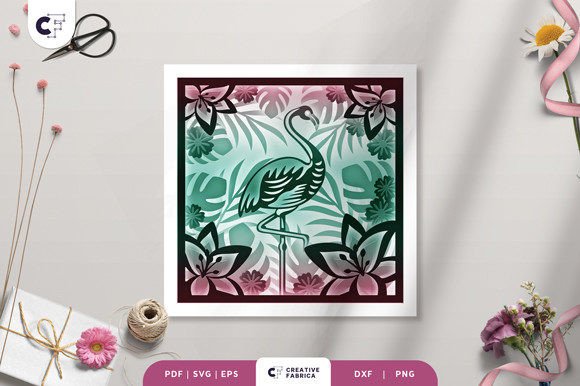
The Spring Flamingo 3D Shadow Box is not merely a flat illustration; it is a structural paper cutting template designed to create depth through layering. The design features eight distinct layers, which work together to form the silhouette and details of a flamingo in a naturalistic setting. The final assembled piece measures 20.32×20.32 cm (approximately 8×8 inches), a size that strikes a balance between being substantial enough to command attention on a wall or shelf, yet compact enough to fit comfortably in standard frames or display areas.
One of the primary advantages of this digital product is its versatility in file formats. Buyers receive the template in four distinct formats:
- SVG: Ideal for use with electronic cutting machines such as Cricut or Silhouette. This format allows for precise vector-based cutting, ensuring clean lines and accurate scaling.
- PDF: Suitable for both printing and manual cutting. It serves as a reliable backup if digital cutting tools are unavailable.
- EPS: Preferred by professional graphic designers who may wish to modify the design further in vector software like Adobe Illustrator before production.
- PNG: A raster image format useful for quick previews or low-resolution printing needs.
- DXF: Another vector format compatible with various CAD and cutting software applications.
This multi-format approach ensures that users with varying levels of equipment—from high-end plotters to simple scissors—can utilize the design effectively.
Material Selection and Assembly Considerations
The success of any shadow box project hinges largely on material choice. For the Spring Flamingo 3D Shadow Box, the recommended material is Encore Cardstock at 80 lb cover (216 gsm). This weight is critical for several reasons. Lighter papers may lack the rigidity needed to stand up within a frame without sagging, while heavier cardstocks can become difficult to cut, especially when dealing with the fine details inherent in an eight-layer design.
The 216 gsm weight provides a sturdy base that holds its shape well, allowing the layers to be spaced apart using foam tape or spacers to create the desired 3D effect. When assembling the design, users will need either strong glue or double-sided tape. Double-sided tape is often preferred for shadow boxes because it minimizes bulk between layers, preventing the final piece from becoming too thick for standard frames.
Tools and Techniques
If you own a cutting machine, the SVG file allows for automated precision. However, the inclusion of PDF and DXF files makes this accessible to those who prefer manual methods. Using an art knife and a self-healing cutting mat, crafters can achieve similar results, though it requires more patience and steady hands. The key to a successful manual cut is sharp blades and slow, deliberate movements to prevent tearing the dense cardstock.
It is important to note that while SVG files can be resized, maintaining the correct aspect ratio is essential. Distorting the proportions can ruin the balance of the flamingo’s silhouette and the spatial relationship between the layers. Always ensure your cutting software is set to "maintain aspect ratio" or "lock proportion" before sending the file to the cutter.
Aesthetic Versatility: From Wall Art to Light Boxes
One of the most compelling aspects of the Spring Flamingo 3D Shadow Box is its adaptability. Traditionally, shadow boxes are viewed as static wall decorations. By framing the layered paper art against a contrasting background—such as black, navy, or white—the flamingo’s pink hues can pop dramatically, creating a striking focal point in a living room, bedroom, or nursery.
However, the design also lends itself exceptionally well to modern lighting techniques. By incorporating LED strip lights behind or between the layers, the shadow box transforms into a glowing light box. The semi-translucent nature of some cardstocks, combined with the backlighting, creates a soft, ethereal glow that highlights the intricate cuts. This variation adds a dynamic element to the piece, making it suitable for evening ambiance or as a unique nightlight.
This dual-purpose capability distinguishes the Spring Flamingo 3D Shadow Box from simpler single-layer prints. It offers two distinct aesthetic outcomes from a single purchase, increasing its value proposition for crafters interested in experimenting with different styles.
Comparative Analysis: Digital Templates vs. Physical Products
When evaluating paper crafting resources, consumers often choose between buying pre-made physical kits and purchasing digital templates. Understanding the tradeoffs of each approach helps in making an informed decision.
The Case for Digital Templates
Digital templates like the Spring Flamingo 3D Shadow Box offer significant flexibility. Users have complete control over color selection, allowing them to match their existing interior decor perfectly. Instead of being limited to the colors provided in a physical kit, a crafter can choose pastel pinks for a soft look, vibrant corals for a bold statement, or even monochromatic schemes for a minimalist aesthetic. Additionally, digital files allow for easy reprinting if mistakes are made during the cutting process, reducing waste compared to pre-cut physical kits where errors might require purchasing an entire new set.
The Case for Pre-Made Kits
On the other hand, pre-assembled or pre-cut kits offer convenience. They eliminate the time required for downloading, printing, and aligning layers. For beginners who may find the alignment of eight layers daunting, a kit that provides pre-spaced components can reduce the learning curve. However, these kits often come at a higher price point per unit due to manufacturing and shipping costs, and they offer less customization.
Decision Factors: Is This Template Right for You?
Choosing whether to invest in the Spring Flamingo 3D Shadow Box depends on several factors related to your skill level, available tools, and creative goals.
Best Fit Scenarios:
- Experienced Crafters: If you are comfortable using cutting machines or art knives, this template offers a rewarding challenge. The eight-layer complexity provides a satisfying sense of accomplishment upon completion.
- Gift Makers: Because the design is visually stunning and highly customizable, it makes for a memorable, personalized gift. The ability to add LED lighting adds a "wow" factor that sets handmade gifts apart from store-bought items.
- Home Decor Enthusiasts: Those looking to update their space with affordable, DIY art will appreciate the cost-effectiveness of digital templates compared to commissioned artwork or expensive framed prints.
Consider Alternatives If:
- You Lack Equipment: While manual cutting is possible, it is time-consuming and requires specific tools (sharp knives, mats). If you do not have access to these and are unwilling to acquire them, a pre-cut kit or a simpler print-based project might be more practical.
- You Prefer Simplicity: An eight-layer assembly requires careful planning and alignment. If you are a beginner looking for a quick weekend project, a single-layer stencil or a fewer-layer design might be less frustrating.
- You Need Immediate Results: Digital templates require printing and preparation time. If you need a finished piece for an event happening tomorrow, purchasing a ready-made item is the only viable option.
Practical Tips for Success
To ensure your Spring Flamingo 3D Shadow Box turns out beautifully, consider the following practical advice:
- Test Print First: Before committing to expensive cardstock, print one layer on regular paper to check the scale and fit within your chosen frame.
- Label Your Layers: With eight layers, it is easy to lose track of the order. Number each layer lightly with a pencil or use sticky notes to keep them organized during assembly.
- Experiment with Spacing: The depth of the shadow box can be adjusted by changing the thickness of the spacers between layers. Thinner spacers create a more subtle depth, while thicker ones enhance the three-dimensional effect.
- Lighting Caution: If using LEDs, ensure they do not generate excessive heat, which could warp the paper or melt adhesive. Low-heat LED strips are recommended.
Final Thoughts
The Spring Flamingo 3D Shadow Box represents a thoughtful intersection of digital convenience and traditional craftsmanship. Its multi-format availability, combined with the aesthetic potential of layering and lighting, makes it a versatile tool for serious hobbyists and casual crafters alike. While it requires a moderate investment of time and effort, the result is a unique, high-quality piece of art that stands out in any setting. By understanding the materials, tools, and techniques involved, crafters can make an informed decision about whether this template aligns with their skills and creative aspirations.