3d Pop Up Card with Envelop: A Creative Design Asset
In a digital landscape saturated with flat graphics and standardized templates, the tactile allure of a 3d Pop Up Card with Envelop offers a refreshing departure. This design asset is not merely a static image; it is an interactive experience that bridges the gap between traditional craftsmanship and modern digital precision. For designers, marketers, and creative professionals, understanding the mechanics and aesthetic appeal of such intricate paper engineering is crucial for creating memorable brand interactions.
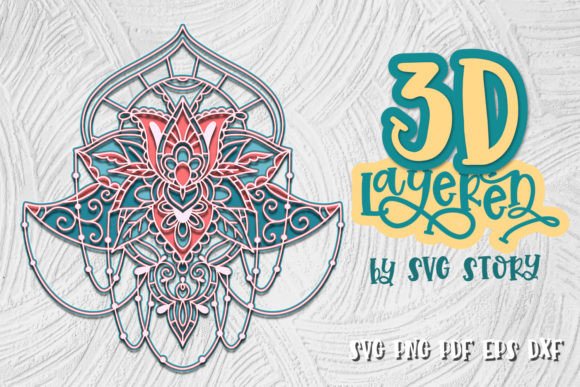
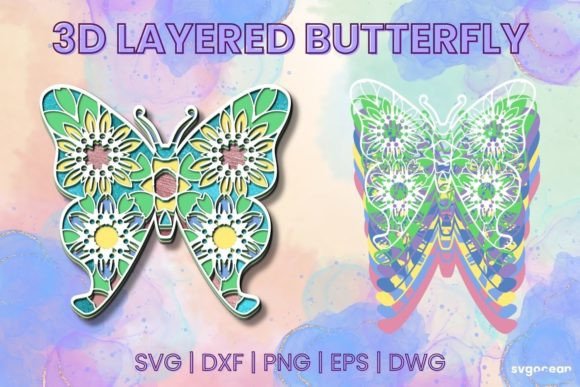
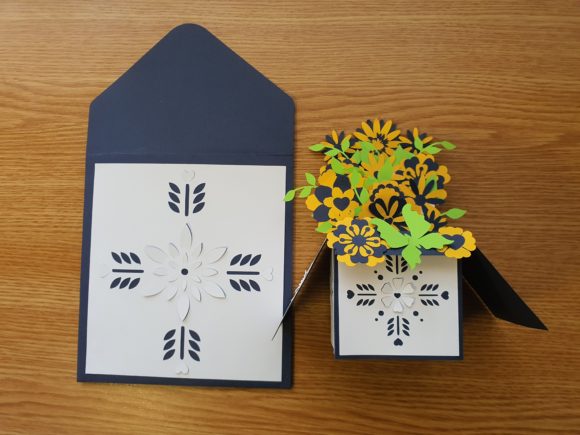
The visual characteristics of a 3d Pop Up Card with Envelop are defined by their dynamic nature. Unlike standard greeting cards, these designs utilize layered structures that unfold to reveal depth and dimension. The inclusion of beautiful flowers in many variations adds a layer of organic elegance, softening the geometric precision required for the pop-up mechanism. The style often leans towards whimsical yet sophisticated, making it suitable for a wide array of occasions, from birthdays and weddings to corporate appreciation events. The overall appeal lies in its ability to surprise and delight, turning a simple message into a physical keepsake.
The Intersection of Art and Engineering
Creating a successful 3d Pop Up Card with Envelop requires more than just artistic flair; it demands a solid understanding of structural integrity and spatial planning. When you examine the SVG design files often associated with these cards, you will notice how each element is meticulously plotted to ensure smooth folding and stable deployment. The beauty of flowers, whether rendered as delicate roses or vibrant sunflowers, must be integrated seamlessly into this structure. Their petals need to align with the fold lines so that they expand naturally rather than bunching up or tearing.
This integration of form and function is what elevates the design from a simple craft project to a professional-grade design asset. For entrepreneurs and small business owners, this level of detail signals quality and attention to care. It suggests that the sender has invested time and thought into the presentation, which can significantly enhance customer loyalty and personal connection. The envelope itself plays a critical role, providing a protective shell that builds anticipation before the card is opened. A well-designed envelope complements the card’s theme, ensuring that the first impression is as polished as the final reveal.
Applications Across Creative Industries
The versatility of a 3d Pop Up Card with Envelop extends far beyond personal use. In the realm of branding, these cards serve as powerful tools for experiential marketing. Imagine sending a high-end product launch kit where the packaging includes a mini pop-up card showcasing the product’s features through layered illustrations. This approach transforms a mundane unboxing experience into an engaging narrative.
For publishers and bloggers, incorporating elements of 3D design into digital newsletters or promotional materials can break through the clutter of email inboxes. While the actual object is physical, the digital representation—often shared via social media graphics—can drive significant engagement. Users are drawn to content that offers novelty and interactivity. A video showing the 3d Pop Up Card with Envelop unfolding can capture attention much more effectively than a static image, encouraging shares and saves.
In editorial design, these cards can be used as inserts in magazines or books, adding a tangible bonus for readers. The floral motifs commonly found in these designs pair exceptionally well with lifestyle, fashion, and wellness publications. They provide a visual break from text-heavy layouts, offering a moment of pause and aesthetic pleasure. Similarly, in web design, the principles behind these pop-ups can inspire interactive website elements, such as hover effects that reveal hidden content, mimicking the excitement of opening a physical card.
Enhancing Brand Perception and Engagement
The choice to use a 3d Pop Up Card with Envelop influences brand perception by associating your identity with creativity, effort, and uniqueness. In a market where consumers are bombarded with generic advertisements, a handmade-feel digital asset stands out. It communicates that your brand values individuality and personal touch. This is particularly important for businesses aiming to build a strong brand identity that resonates on an emotional level.
Readability and visual hierarchy are also key considerations when designing or selecting such assets. Even though the primary focus is on the 3D effect, the textual components must remain clear and legible. The font choices within the card should complement the ornate nature of the pop-up structure without competing for attention. A clean, modern typography can balance the complexity of the floral designs, ensuring that the message is easily understood. This balance is essential for maintaining professionalism while still being playful.
Audience engagement increases when people interact with something that requires their active participation. Opening a pop-up card is an active process, unlike scrolling past a banner ad. This interaction creates a stronger memory trace, making your brand or message more likely to be remembered. For marketers, this translates to higher recall rates and potentially better conversion if the call-to-action is embedded within the card’s design.
Practical Guidance for Implementation
When evaluating a 3d Pop Up Card with Envelop for your projects, start by assessing the quality of the underlying vector paths. High-quality SVG files will have clean lines and optimized layers, making them easy to edit and customize. Check if the file includes multiple layers for the flowers and structural elements, allowing you to change colors or swap out specific floral arrangements to match your brand palette.
Testing is crucial. Before committing to a large print run or widespread digital distribution, create prototypes. If printing, experiment with different paper weights and finishes. Thicker cardstock provides better stability for complex pop-ups, while matte finishes can reduce glare and enhance the visibility of detailed flower textures. For digital use, ensure that animations or interactive elements load quickly and perform smoothly across various devices.
Consider the commercial licensing carefully. Many premium fonts and design assets come with specific usage rights. Ensure that you have the appropriate license for both personal and commercial applications, especially if you plan to sell products featuring these designs or use them in client campaigns. Reviewing the included styles and variations can also save time; look for assets that offer flexibility, such as different color schemes or modular components that can be mixed and matched.
Finally, think about the pairing with other design elements. A 3d Pop Up Card with Envelop works best when surrounded by complementary graphics. If using it in a social media campaign, pair it with cohesive social media graphics that echo the floral themes or color schemes. This consistency reinforces brand recognition and creates a unified visual story. By paying attention to these details, you can leverage the unique charm of pop-up designs to create impactful, lasting impressions in both physical and digital spaces.